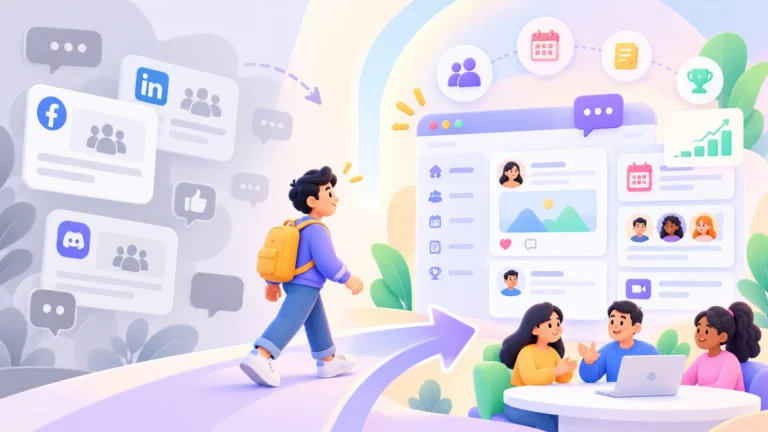
For years, brands chased scale—bigger lists, broader audiences, louder campaigns. But the more we scaled, the more noisy and impersonal things felt. It’s no surprise that engagement rates have stalled while audiences drift toward smaller, tighter spaces where they feel seen. That’s why Micro-Communities in Digital Engagement are exploding right now.
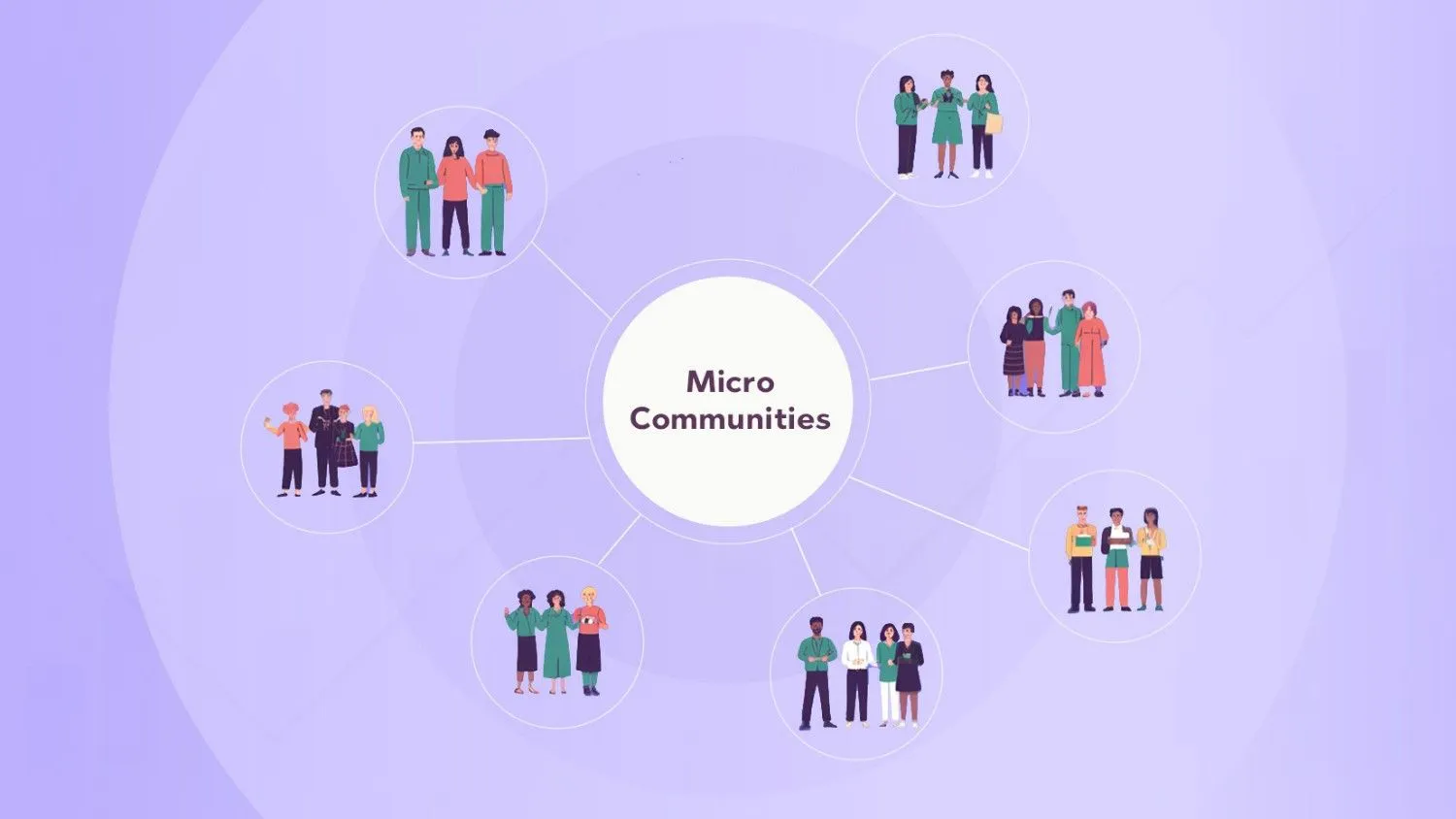
Put simply, micro-communities are compact, niche groups built around a clear purpose—think 50–500 people aligned by a craft, a challenge, a product use case, or a shared identity. They’re intimate, specific, and relentlessly relevant. And that combination is driving the Rise of micro-communities as the “next big thing” in brand-building and retention.
This article explains what micro-communities are, why they’re growing, the Benefits of micro-communities, and how to plug them into your digital engagement strategies. We’ll also look ahead to AI-powered personalization, hybrid (online + offline) models, and how to operationalize community-driven engagement with practical tools.
What Are Micro-Communities?
Definition and characteristics
Micro-communities are small, purpose-built groups where members share highly specific interests or needs—such as data analysts experimenting with a particular BI stack, new runners training for their first 10K, or power users of a niche SaaS feature. Typical traits include:
- Small size, high signal. Fewer members, but more participation per person.
- Narrow focus. One topic, one journey stage, or one use case.
- High intent. Members join because they genuinely care, not because they were targeted broadly.
- Frequent, helpful interactions. Questions, tips, demos, and collaborations dominate the feed.
Micro-communities vs. communities
Traditional communities can be thousands or millions of people organized around a brand or category. Micro-communities slice that base into focused cohorts—like “mobile QA engineers in APAC” or “creators monetizing with short-form video.” While both are valuable, Online micro-communities go deeper on fewer topics, which translates into richer conversations and faster outcomes.
Examples you already know
- A Slack workspace channel for early adopters giving product feedback.
- A niche Discord server for indie game developers sharing code snippets.
- Private Facebook or LinkedIn groups for cohort-based learning, peer mentoring, or role-specific support.
- Invite-only forums inside a brand’s customer hub where champions swap templates and host AMAs.
Why Micro-Communities Are Gaining Importance
1. Digital noise vs. personalization
Every channel is saturated. Even the best newsletters and social posts compete with endless feeds. Micro-communities break through because they’re small enough to personalize. Members get bespoke recommendations, rapid responses, and introductions to peers who share their exact challenges—precisely the type of digital engagement strategies that feel human.
2. From mass engagement to targeted interaction
Broadcast tactics still matter for awareness, but conversion and retention happen in focused spaces. The Rise of micro-communities reflects a shift toward depth: fewer vanity metrics, more meaningful participation. In these rooms, people share screens, swap playbooks, co-create resources, and build trust faster.
3. Authenticity and belonging
Micro-communities reward vulnerability. Members ask real questions, give real feedback, and celebrate real wins. That authenticity is the core of community-driven engagement, and it’s hard to fake at scale. The payoff: longer attention, higher willingness to advocate, and stronger brand affinity.
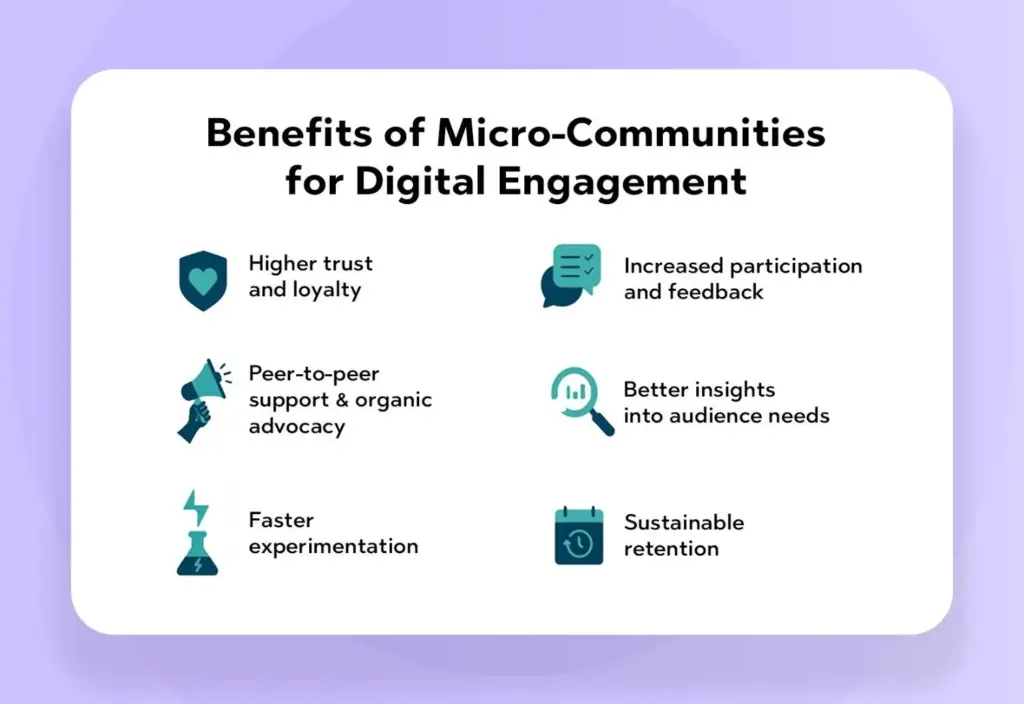
Benefits of Micro-Communities for Digital Engagement
1. Higher trust and loyalty
Small groups create psychological safety. Members see familiar names, get quick answers, and feel known by managers and peers. That trust compels them to stay, contribute, and recommend.
2. Increased participation and feedback
When prompts are hyper-relevant, people respond. Micro-communities deliver more comments per post, more qualitative insights, and more co-creation moments that inform roadmaps and campaigns—gold for digital engagement strategies.
3. Peer-to-peer support & organic advocacy
Members help each other solve problems in real time. Those wins convert into unsolicited testimonials, user-generated tutorials, and case studies—organic proof that fuels community-driven engagement.
4. Better insights into audience needs
Because Online micro-communities center on a use case or lifecycle stage, the feedback is pinpoint. You don’t just learn “what customers think”; you learn which feature confuses first-time admins or which onboarding step blocks freelancers. This is the practical side of the Benefits of micro-communities: faster learning loops.
- Faster experimentation
Smaller rooms make it easy to test prompts, formats, and offers. You can validate hypotheses with a 100-person beta group before rolling out to the full community or email list. - Sustainable retention
Belonging keeps people coming back. Micro-communities build habits—weekly standups, project showcases, or peer-review threads—that compound retention far beyond a single campaign.
Micro-Communities vs. Traditional Communities
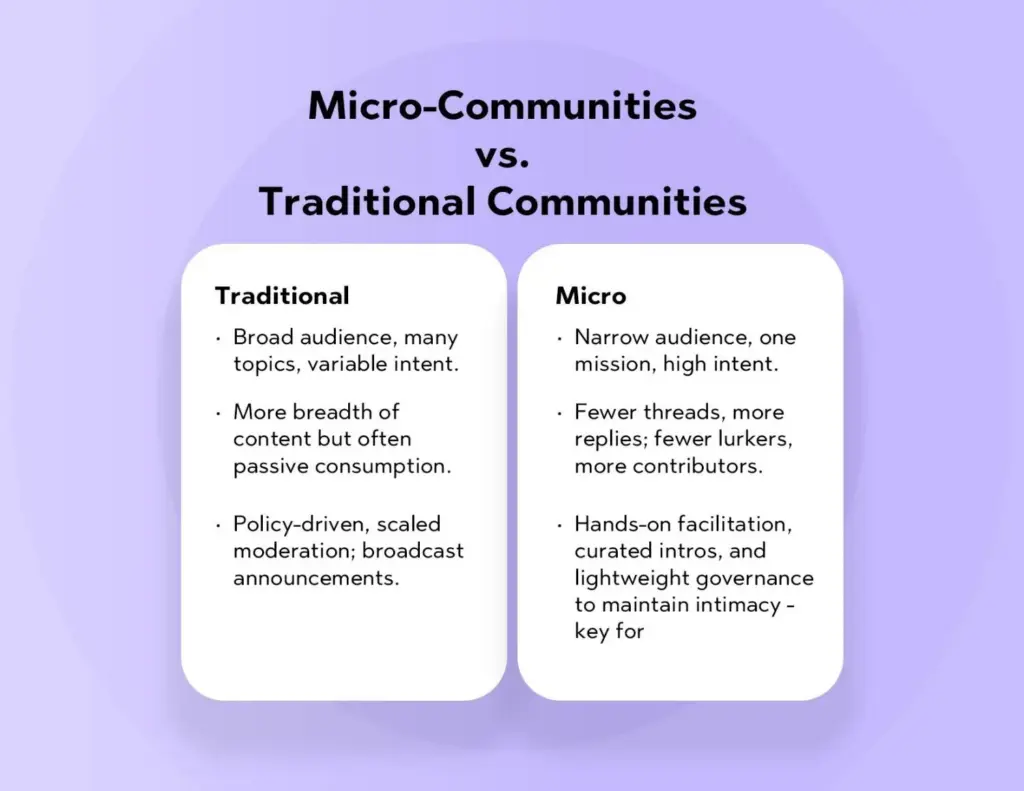
1. Size & focus.
- Traditional: Broad audience, many topics, variable intent.
- Micro: Narrow audience, one mission, high intent.
2. Engagement depth.
- Traditional: More breadth of content but often passive consumption.
- Micro: Fewer threads, more replies; fewer lurkers, more contributors.
3. Moderation & management.
- Traditional: Policy-driven, scaled moderation; broadcast announcements.
- Micro: Hands-on facilitation, curated intros, and lightweight governance to maintain intimacy—key for Micro-Communities in Digital Engagement.
How Brands Can Leverage Micro-Communities
1. Create niche spaces for loyal users
Start with your strongest signal: power users, champions, or a persona you want to serve better. Name the space around a clear purpose (“Product Experimentation Guild” or “Creators Shipping Weekly”). Invite intentionally—you’re curating, not collecting.
2. Integrate micro-communities into customer journeys
Map each stage—evaluation, onboarding, adoption, advocacy—and create rooms that accelerate movement:
- Evaluation: Host live Q&A with product experts.
- Onboarding: Provide a week-by-week checklist with peer support.
- Adoption: Run monthly clinics to unlock advanced features.
- Advocacy: Offer sneak peeks and co-marketing opportunities.
3. Encourage UGC (user-generated content)
Fuel the loop with prompts: “Show your dashboard,” “Share a workflow,” “What did you learn this week?” Recognize contributors, compile highlights, and feature members in blogs or webinars. This is community-driven engagement in action.
Example use cases by industry
- SaaS: Feature-specific channels where admins trade scripts, SOPs, and templates; beta groups that co-design UX flows.
- eCommerce: Style squads or hobby clubs that share looks, how-tos, and reviews; drops announced to VIP subgroups first.
- Wellness & lifestyle: Cohort challenges (sleep, strength, mindfulness) with weekly check-ins and practitioner Q&As.
- Education & coaching: Skill tracks with peer accountability pods; micro-mentorship pairs for short sprints.
Ready to operationalize? Explore Thrico’s Community building tools to spin up spaces, automate workflows, and measure engagement across your Online micro-communities.
Tools & Platforms for Building Micro-Communities
Where you host the room matters less than how you design it. Still, choosing the right surface can reduce friction and increase participation.
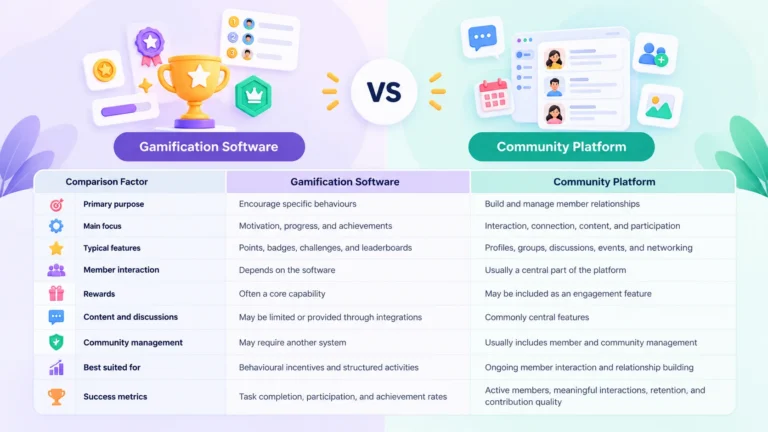
- Thrico: Purpose-built community platforms with gamification, events, and member directories, and many other modules with community-oriented features.
- Discord. Great for real-time chat, roles, and bots; popular with dev and creator audiences.
- Slack. Ideal for B2B workflows; integrates with the tooling your members already use.
- Reddit & niche forums. Asynchronous threads with strong searchability; excellent for evergreen knowledge bases.
- Closed social groups (FB, LinkedIn). Useful for professional networking and discovery via members’ existing accounts.
Selection tip: Go where your niche already lives. If your ICP lives in Slack all day, don’t force them into a new app. If your audience prefers mobile-first chat, Thrico may be the better fit.
Challenges of Managing Micro-Communities
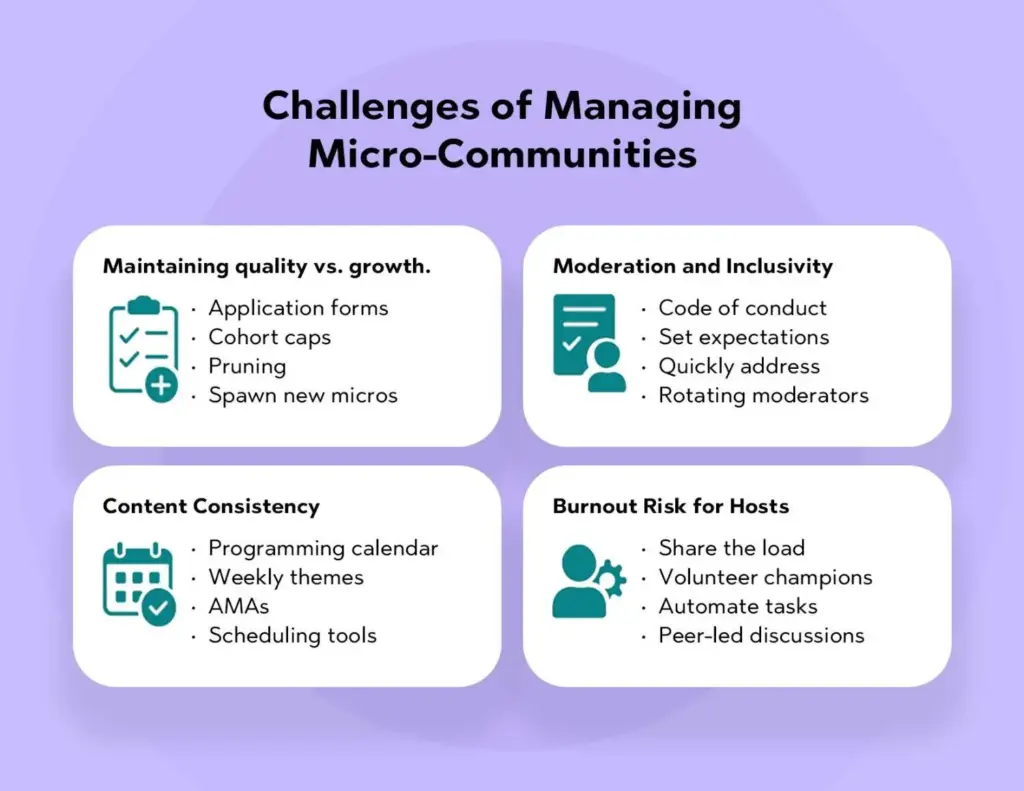
1. Maintaining quality vs. growth
As interest climbs, pressure to add more people can dilute the experience. Use application forms, cohort caps, and periodic pruning. Consider spawning new micro-communities rather than expanding one indefinitely.
2. Moderation and inclusivity
Even small rooms need clear guidelines. Establish a code of conduct, set expectations for tone and attribution, and quickly address microaggressions or spam. Rotating moderator schedules and member-led norms help preserve safety.
3. Content consistency
Micro-communities thrive on rhythm: weekly themes, AMA cadences, or monthly showcases. Create a programming calendar and use scheduling tools to keep the pulse steady.
4. Burnout risk for hosts
High-touch facilitation is powerful—but tiring. Share the load with volunteer champions, automate common tasks, and empower peer-led discussions. This is where the Benefits of micro-communities intersect with strong ops.
Future of Digital Engagement: Micro-Communities & Beyond
1. AI + micro-communities (personalized at scale)
AI will supercharge digital engagement strategies by tailoring prompts, surfacing lookalike peers, and summarizing long threads into actionable recaps. Imagine a new member joining and instantly receiving three intros, two relevant tutorials, and a starter checklist based on their goals. That’s the essence of Micro-Communities in Digital Engagement powered by AI.
2. Micro-communities as data goldmines
Because discussions are specific, the insights are higher fidelity: pain points by role, feature adoption hurdles, or language that resonates. Respect privacy and consent, then turn anonymized patterns into product decisions, content topics, and onboarding improvements.
3. Hybrid models (online + offline)
Expect micro-communities to meet locally: coffee chats, coworking days, or mini-workshops. These moments deepen loyalty and convert members into advocates who seed the next cohort—sustaining the Rise of micro-communities.
Conclusion
The internet didn’t kill community; it made it too big to feel personal. Micro-communities bring meaning back by shrinking the room and sharpening the purpose. They help brands listen better, act faster, and build stronger relationships—exactly what modern audiences crave.
If you remember one line, make it this: In the era of digital noise, small is powerful. When you design for depth, you unlock the true Benefits of micro-communities—trust, advocacy, and durable growth—anchored by community-driven engagement that scales with care.
Want to implement everything you’ve just read? Thrico’s Community building tools help you launch, moderate, and measure Online micro-communities without the manual grind.