
Examples of Successful Gamified Engagement
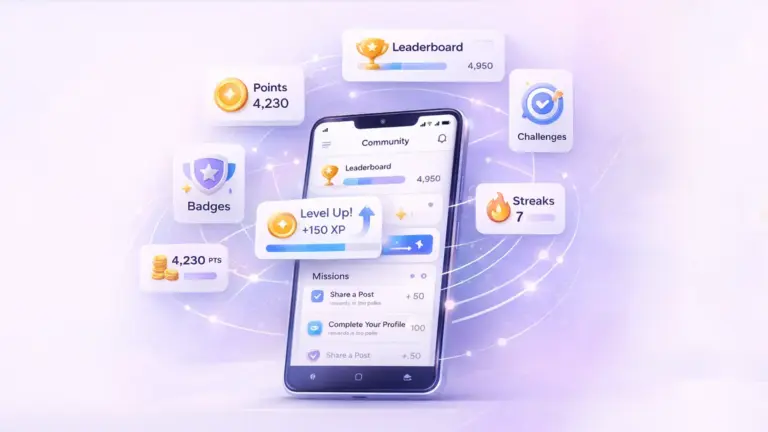
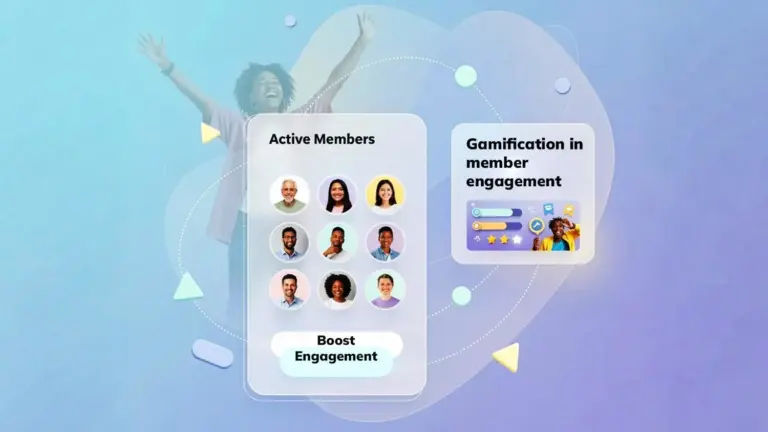
Gamified engagement has become one of the most effective strategies for businesses looking to increase user interaction, motivation, and retention. By incorporating game-like elements such as rewards, points, badges, and challenges, brands can transform ordinary user experiences into highly engaging journeys.
In this blog, we’ll explore examples of gamified engagement, understand why they work, and learn how you can apply these strategies to your business.
Key Takeaway
Successful gamified engagement examples include loyalty programs, fitness apps, and learning platforms that use rewards, progress tracking, and competition to keep users engaged.
Why Gamified Engagement Works
Gamification taps into fundamental human psychology, making it a powerful tool for engagement.
● Psychological triggers: Rewards, competition, and achievement motivate users to take action
● Increases retention: Users are more likely to return when progress and rewards are involved
● Enhances customer experience: Makes interactions fun, interactive, and memorable
Top Examples of Successful Gamified Engagement
1. Starbucks Rewards Program
One of the most recognized successful gamification examples, Starbucks uses a points-based system called “stars.”
● Customers earn stars for purchases
● Tier-based rewards unlock better perks
● Mobile app integration enhances convenience and engagement
This system encourages repeat purchases while making customers feel rewarded.
2. Duolingo Language Learning
Duolingo is a standout among gamified engagement examples in education.
● Daily streaks keep users consistent
● XP points and leaderboards drive competition
● Bite-sized lessons make learning manageable
The platform keeps users motivated through continuous progress and instant feedback.
3. Nike Run Club App
Nike uses gamification to inspire fitness and build community.
● Challenges and achievements motivate users
● Social sharing creates accountability
● Progress tracking helps users visualize improvement
This combination makes fitness more engaging and goal-oriented.
4. McDonald’s Monopoly Campaign
A classic example of gamified engagement in marketing.
● Limited-time campaign creates urgency
● “Collect and win” strategy drives repeat purchases
● Excitement of winning boosts customer participation
This campaign has consistently increased customer visits and sales.
5. Fitbit Fitness Tracking
Fitbit turns everyday activity into a game.
● Step challenges encourage movement
● Badges and milestones reward achievements
● Community competition enhances motivation
It transforms fitness tracking into a fun, competitive experience.
Key Elements Behind Successful Gamification
To create impactful gamified experiences, focus on these core elements:
● Rewards & incentives: Give users a reason to participate
● Progress tracking: Show users how far they’ve come
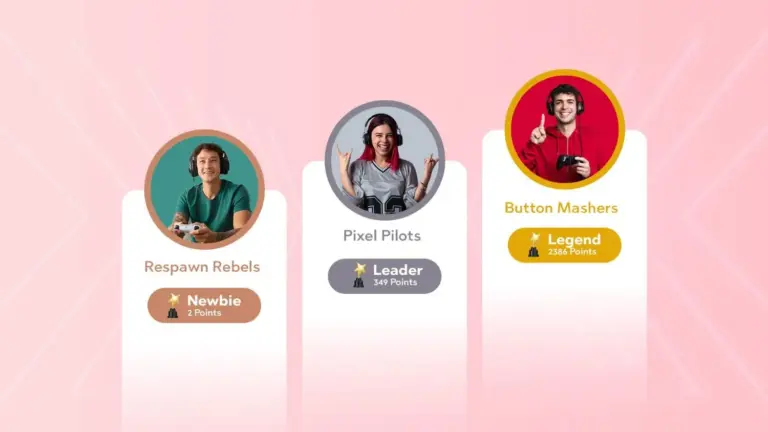
● Competition & leaderboards: Encourage friendly rivalry
● Personalization: Tailor experiences to individual users
● Instant feedback: Reinforce actions immediately
Benefits of Gamified Engagement
Implementing gamification can deliver significant business benefits:
● Higher user retention
● Increased conversions
● Better customer loyalty
● Improved brand interaction
How to Implement Gamified Engagement in Your Business
If you’re looking to leverage gamification, follow these steps:
● Define clear user goals
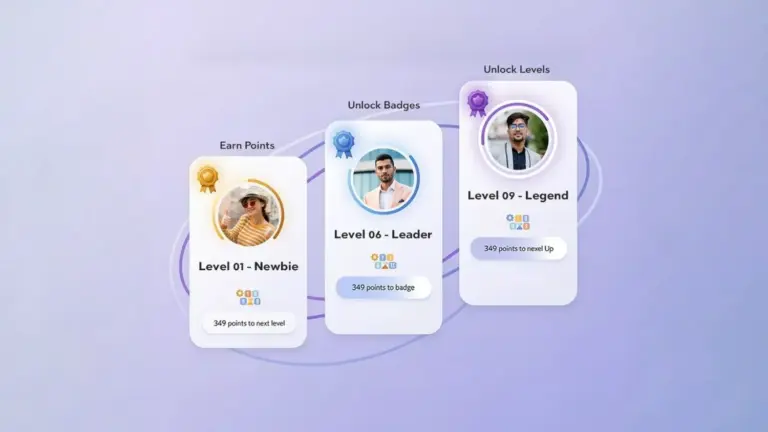
● Choose game mechanics (points, badges, levels)
● Use mobile or app integration for accessibility
● Track and optimize performance
You can also explore advanced tools and features here:
https://thrico.com/modules-and-features/
Common Mistakes to Avoid
While gamification is powerful, poor execution can reduce its effectiveness.
● Overcomplicated systems that confuse users
● Lack of clear or meaningful rewards
● Ignoring user experience and usability
Keep it simple, intuitive, and rewarding.
Future Trends in Gamification
Gamification continues to evolve with technology:
● AI-based personalization: Tailored experiences for each user
● AR/VR gamification: Immersive engagement experiences
● Blockchain rewards systems: Transparent and secure incentives
These trends will shape the next generation of gamified engagement strategies.
Conclusion
Gamified engagement is a powerful strategy that helps brands increase user interaction, loyalty, and conversions by making experiences fun and rewarding. From loyalty programs to fitness apps, the best successful gamification examples show how creativity and psychology can drive meaningful user engagement.